
Cordova offers Fresh Water and Salt Water fishing.
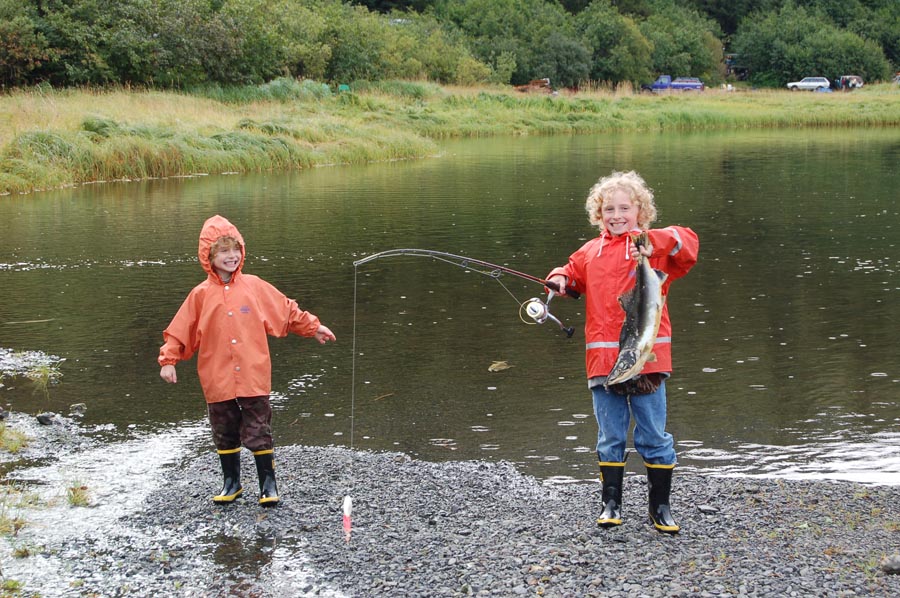
In Cordova, you can fish for record Halibut, Salmon Shark, Silver Salmon, Rockfish and Cod. Of course, you will never know what you will catch next.
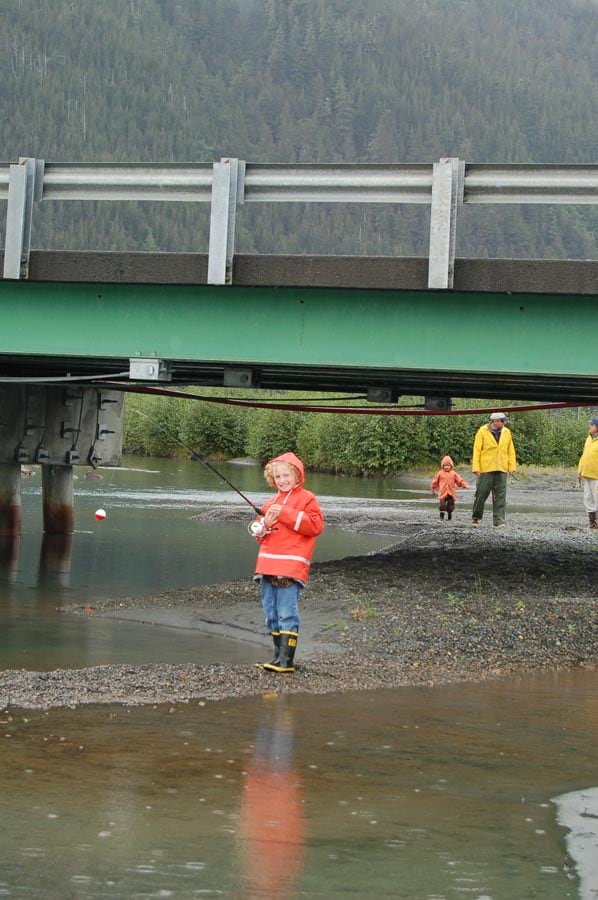
If you are a stream fisherman you might not want to leave Cordova. We have the largest wetland delta on the coast of North America, with hundreds of streams, beaver dams and rivers winding through the delta, for the great runs of Silver Salmon, Sockeye, Pinks, Dollies, and Cutthroat.
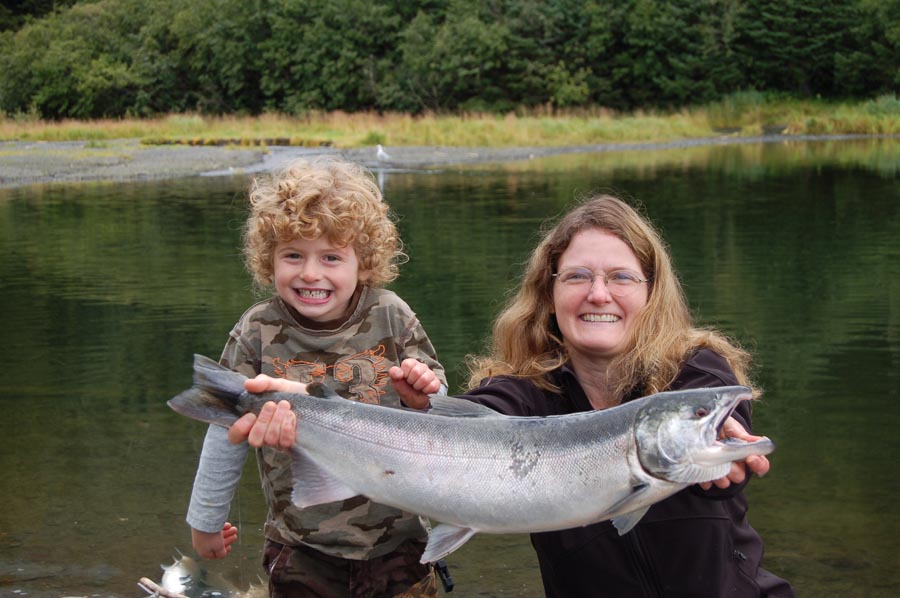
Cordova boasts the largest Silver Salmon in Alaska, with fish up to 22 pounds and good fish being caught into November.
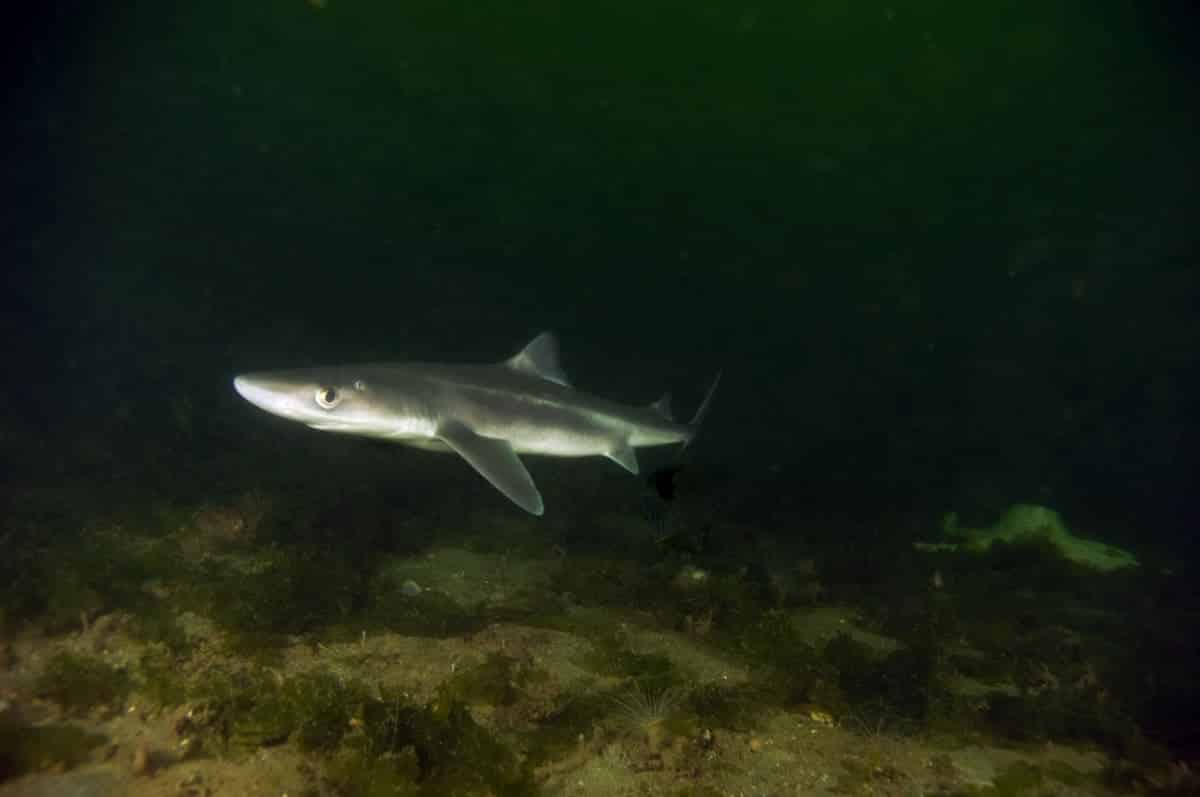
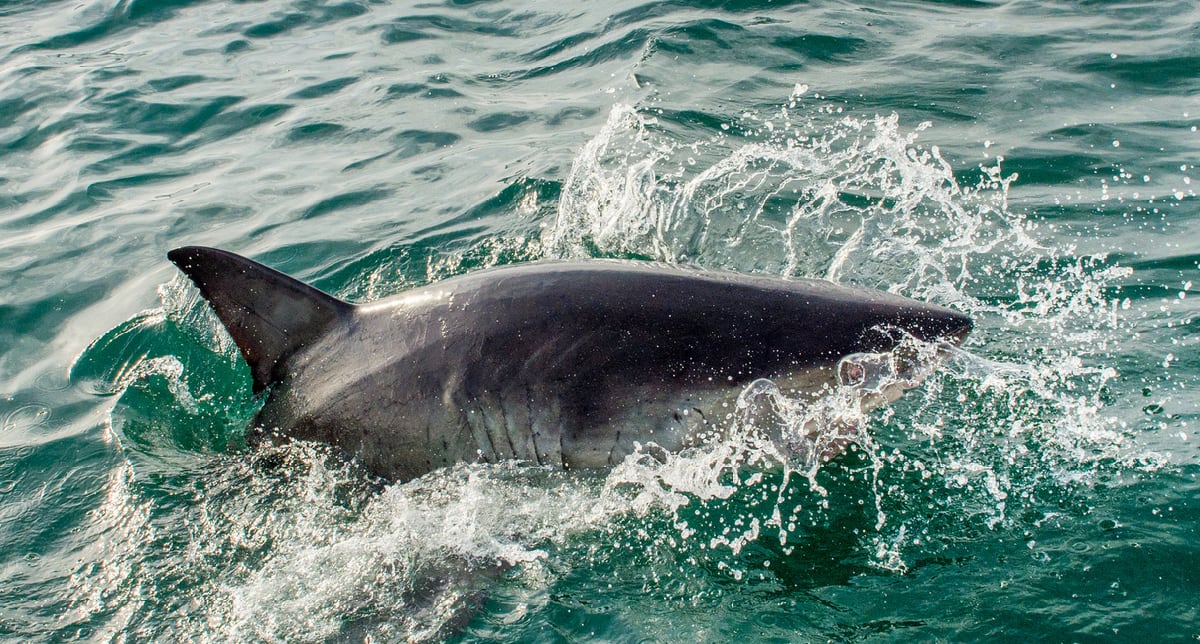
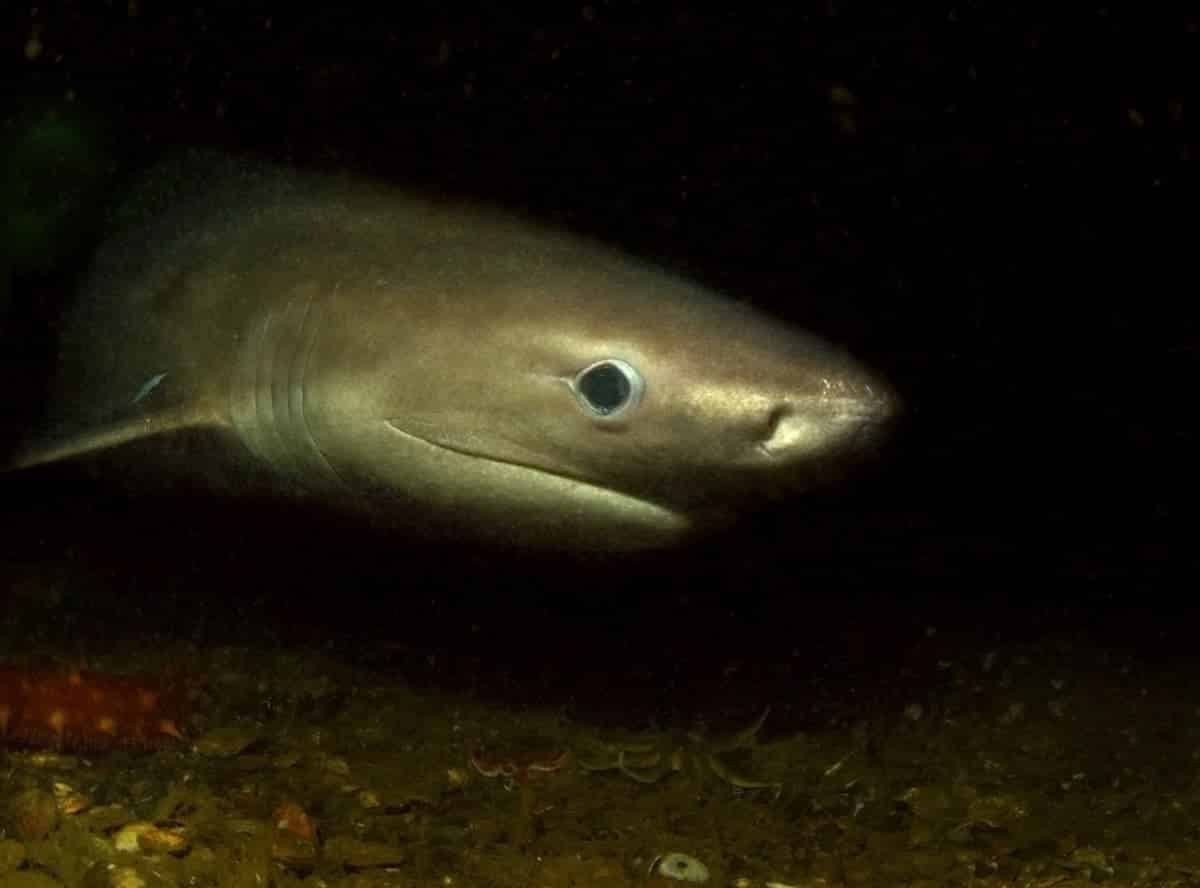
Being the first cousin to the Great White and Mako Sharks, Salmon Sharks are a voracious big game fish averaging 350 to 400 pounds and 8 feet in length, and 500 pounds and 11 feet being a big catch. Salmon sharks are highly migratory and range throughout the north pacific. They migrate in to Prince William Sound with the pink salmon, returning in July, August and the first two weeks of September, the best time too catch a shark. They can be located by looking for dorsal fins cutting the surface or sharks jumping and thrashing while feeding, but it’s more reliable to use a color depth sounder looking along steep deep structure for aggregations of sharks.
Fishing with six foot stand up heavy action rods, Pen 20T International reels spooled with 130 pound brayed Kevlar line and leaders of two 16/0 Circle hooks 15 feet of 1/6 cable inside Vinyl tube with 12 feet of nylon shock cord will increase your success. Drop and retrieve or watch the Sharks swim up and take the bait on an underwater TV Camera while you troll using down riggers using whole pink Salmon as bait. A hook up is unique each time. Sharks will slam the bait and spool yards of line only to let go only to follow the it right to the back of the boat and literally taken it again. When the hooks sets you better hold on with all you’ve got! Sharks are fast and strong, and they like to sound for deep water in a thrashing spiral, then stay down. It takes a lot of power to turn one. To get it up, you’ll probably use short fast pumps. They burn out line, flip a 180 in a flash, slack the line coming your way only to whip another 180 and slam you to the rail. Some sharks will thrash on the surface or even jump 3 feet out of the water. They’ve been know to land on the gunnels of the boat after tail walking and some will even bite the side of the boat. Shark fights last anywhere from 30 minutes to 2 hours depending on the shark and anglers and you’ll probably want to tag team a shark. It would take an incredibly strong angler to boat a salmon shark by himself or herself.
In Prince William Sound, 90 percent of sharks are female so catch and release is quite common. However, the white meat has the texture such a mild fish taste and it as tender as pork so it is good eating. You’ll want to check Alaska fishing regulations to confirm the limit but in the past the limits have been one shark a day, two a year and all edible parts of the shark must be kept so you could end up with 300 pounds or more of meat plus the large fins to take home. For more info on salmon sharks look at this website: https://www.fisheries.noaa.gov/alaska/ecosystems/shark-research-alaska.
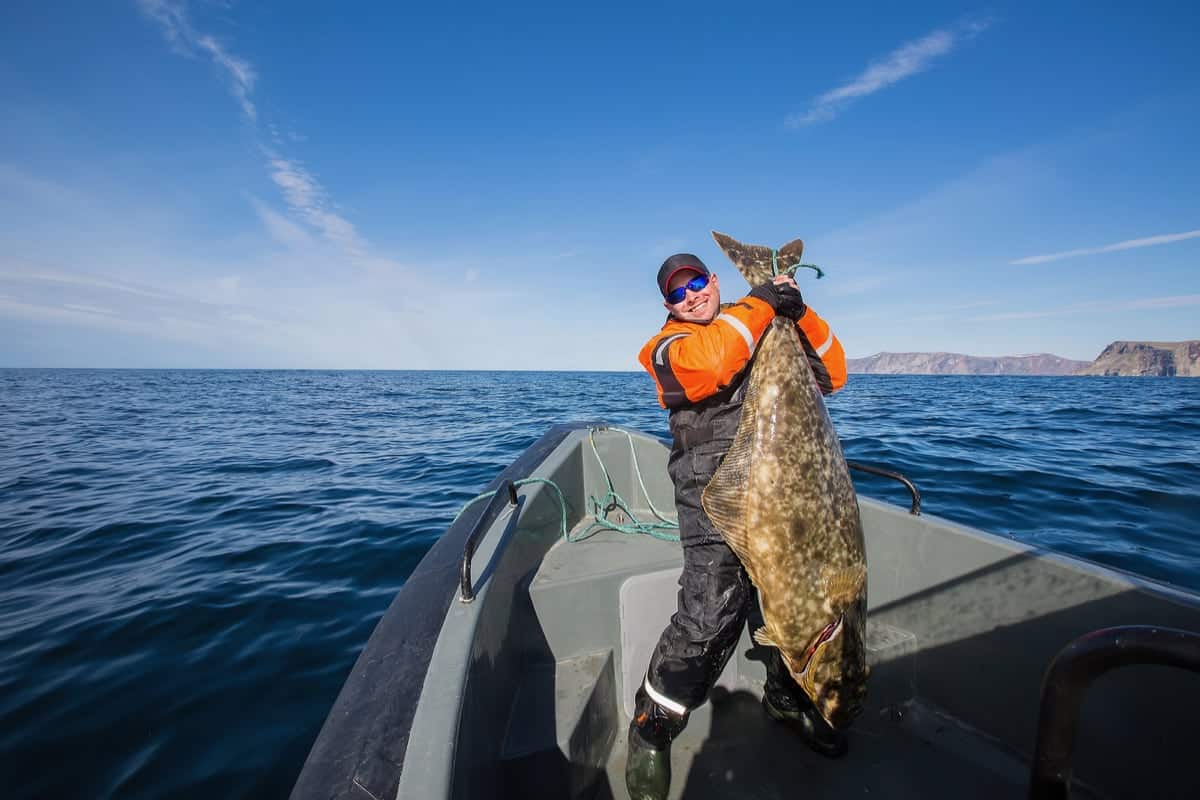
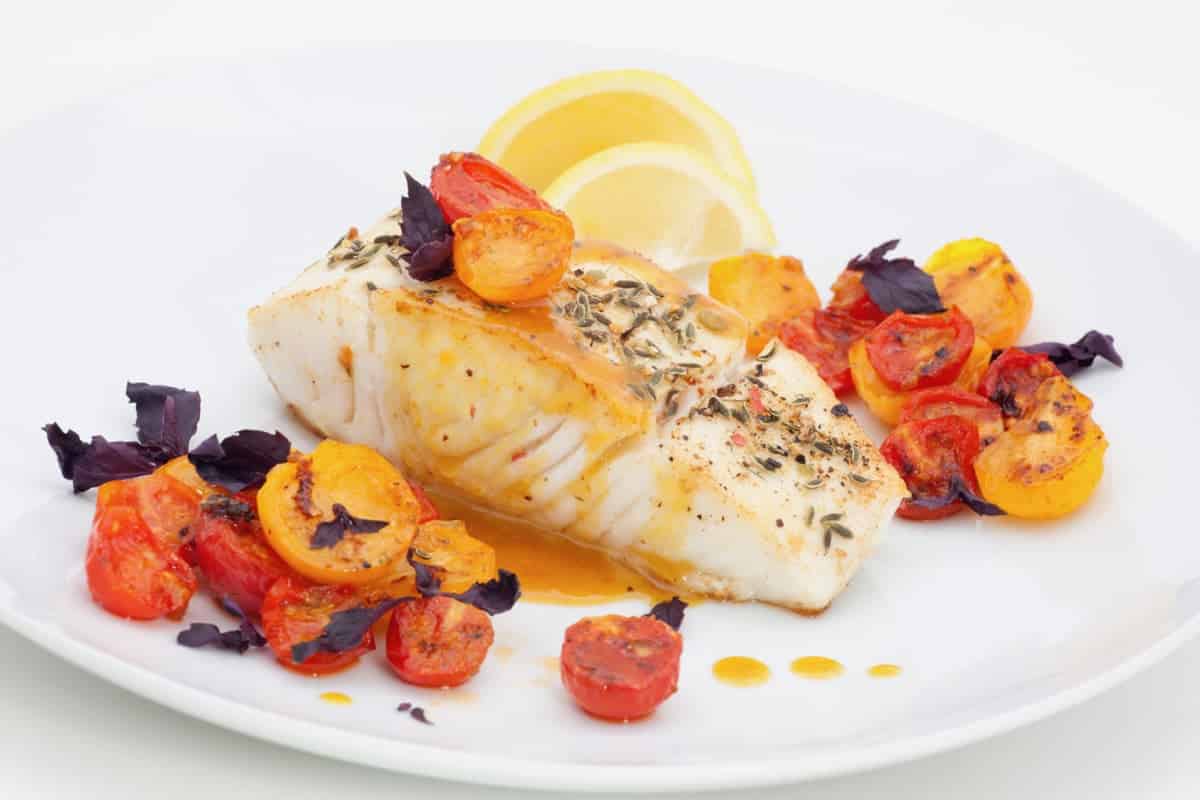
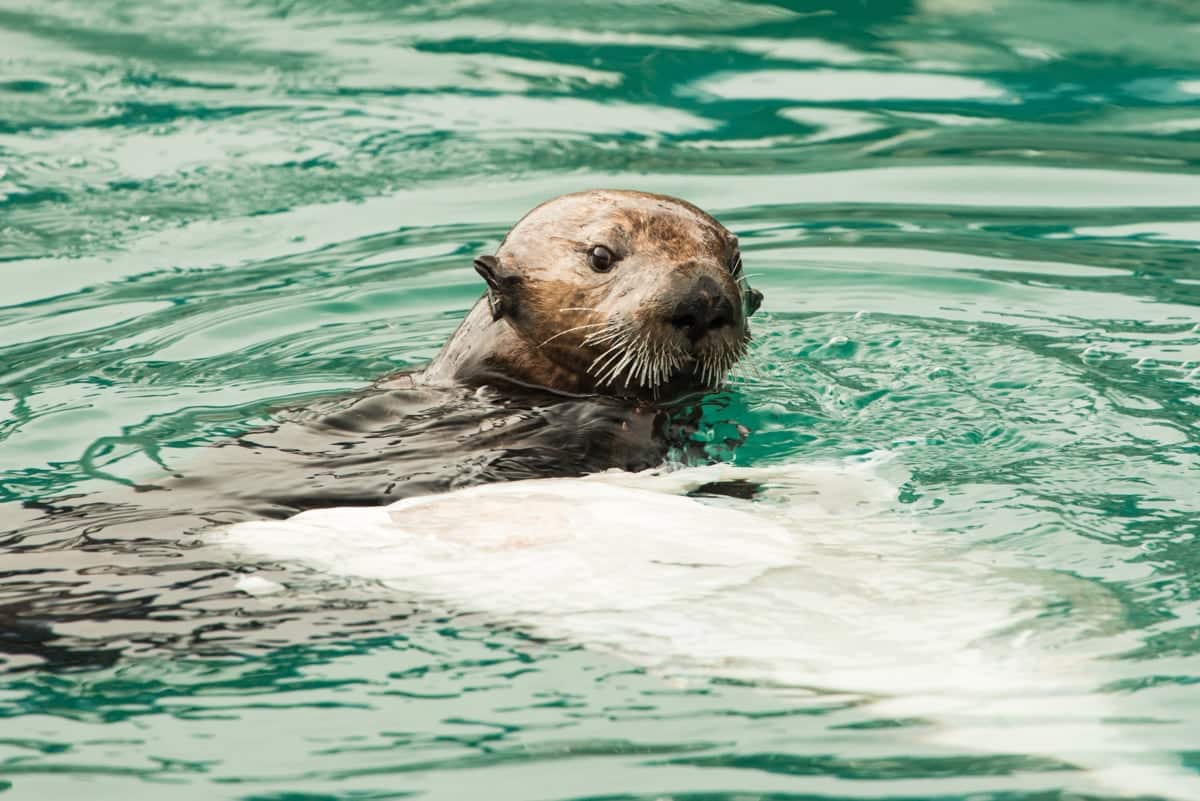
Pacific halibut are found in most of the marine waters along the continental shelf of the North Pacific from Southern California to Nome, Alaska and along the coasts of Japan and Russia. They’re the largest of all the flat fish and are caught on every sea floor: mud, sand, and gravel. Most are caught between 90 to 900 feet but some have been caught as deep as 3,600 feet. In the winter months November through March they spawn to 600 to 1,500 feet. After spawning, they migrate to shallower coastal summer feeding areas.
Male halibut sexually mature around eight years old and females around age 12. A female can release several thousand to 4 million eggs depending on her size. The eggs drift in the current free floating in deep ocean currents and hatch into larvae after approximately 15 days. These currents generally carry the eggs and larvae in a northwesterly direction. As the larvae mature, they move higher in the water column and surface currents move them to shallower coastal waters. Halibut larvae begin life in an upright position similar to other fish with an eye on each side of the head. However, when the larvae are approximately one inch long, they undergo an amazing transformation in which the left eye moves over the snout to the right side of the head and the pigmentation on the left side of the fish fades.
The young halibut take on the features of adult fish approximately six months after hatching and settle to the bottom in shallow areas near the shore. By then they have both eyes on the pigmented (olive to dark brown) side of the body while the underside of the fish is white. During their first year of life, they feed on plankton. The nest few years they feed on small shrimp-like organisms and small fish. The larger they grow, the more fish becomes a larger part of the diet. They will eat pollock, sablefish, cod, rockfish, octopus, herring, crabs, clams, and even smaller halibut. Halibut can live to 40 years old, grow to over eight feet long, and weigh over 500 pounds. However, most sport caught halibut are 8-15 years old weighing 10 and 100 pounds. Female halibut live longer and grow faster and larger than males. Very few males exceed 80 pounds and almost all halibut caught over 100 pounds are females. The oldest halibut on record was a 42-year-old female while the oldest male observed was 27 years old. Age is determined by a bony structure in the inner ear called an otolith which forms annual growth rings, similar to rings on a tree.
Halibut typically move to deeper waters as they grow older. Besides the seasonal movement from deeper waters in the winter to shallower waters in the summer, halibut may also undergo intensive geographic migrations. Halibut tagged in the Bering Sea have been caught as far south as the coast of Oregon, a migration of over 2,000 miles. This migration is generally in an easterly and southerly direction, counter balancing the northeasterly drift of the eggs and larvae. Check the current Alaska Fish and Game regulations but in the past, the limit has been 2 halibut of any size per day per person. Halibut are fun to catch and can put up quite a fight.
Your Cordova Alaska visit could definitely include an exciting halibut fishing adventure for a small group or large group.
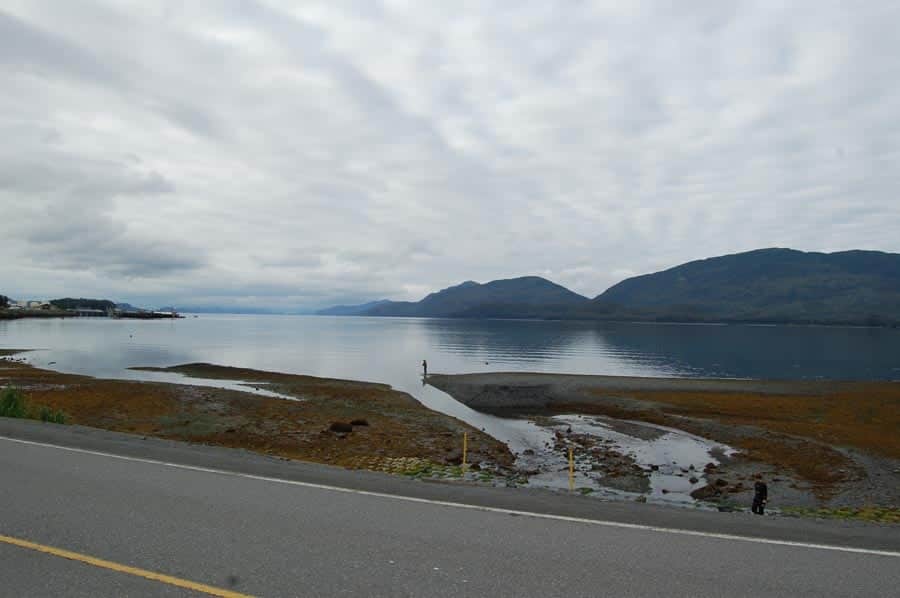
In Cordova, you can choose from several remote lakes and rivers for a float trip fly in, for a day, lodging in one of our cabins or lodges. Your catch could include: Rainbows, Char, Silvers, Dollies and great Steelhead.